How to Paint Furniture with Chalk Paint (Even If You've Never Tried)

What you'll need
- Chalk-style paint (store-bought or homemade)
- Degreasing cleaner or a mild dish soap solution
- Lint-free rags or microfiber cloths
- 220-grit sanding sponge
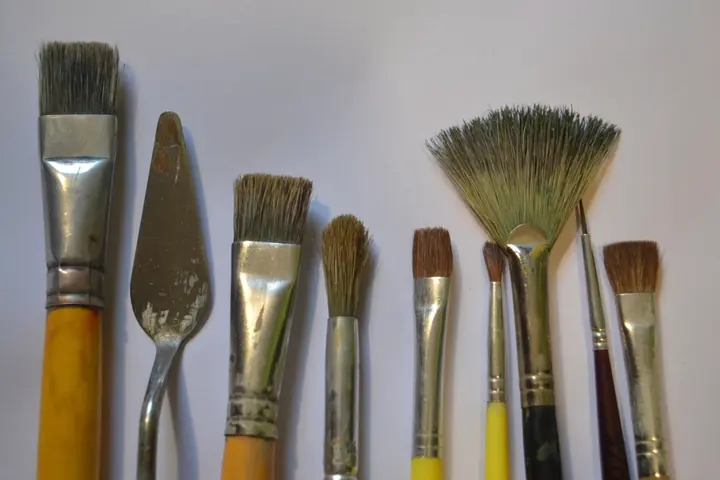
- A 2-inch synthetic or natural-bristle brush
- Clear furniture wax or a water-based polycrylic topcoat
- Wax brush or lint-free cloth for buffing
- Painter's tape and a drop cloth
- Screwdriver for removing hardware
Tap items to check them off — we'll remember your list on this device.
If you have a scratched-up nightstand in the garage or a curbside dresser you couldn't leave behind, learning how to paint furniture with chalk paint is one of the most rewarding skills you can pick up. Chalk paint is thick, matte, and forgiving. It grips most clean surfaces with very little sanding, dries fast, and gives you that soft, velvety finish that looks right at home in a farmhouse, cottage, or modern space.
We've painted a lot of pieces around nap times and school pickups, and this is the exact routine we use. It works whether you buy chalk-style paint or mix your own with our DIY chalk paint recipe.
Why Chalk Paint Is So Beginner Friendly
Regular latex paint on glossy furniture usually means heavy sanding and a primer coat. Chalk paint skips most of that because its mineral content helps it bite into the surface. It's also easy to touch up, and brush marks tend to read as charming texture rather than mistakes.
- Minimal prep: a good cleaning and a light scuff are usually enough.
- Fast drying: most coats are dry to the touch in about 30 minutes to an hour, depending on humidity.
- Easy to distress: the matte finish sands back beautifully for a time-worn look.
- Low odor: most chalk-style paints are water based, so you can work indoors with a window open.
Choose and Prep Your Piece
Solid wood and wood veneer are the easiest to paint. Laminate can work with a light scuff sand and a bonding primer. Before you start, pull out the drawers, remove knobs and pulls, and drop the screws in a labeled zip-top bag so nothing goes missing.
- Clean thoroughly. Wipe every surface with a degreasing cleaner or warm water and a little dish soap. Kitchen grease, furniture polish, and hand oils are the main reasons paint fails to stick.
- Rinse and dry. Wipe again with a clean damp cloth so no soap residue is left behind, then let it dry completely.
- Scuff sand. Go over glossy areas lightly with a 220-grit sanding sponge. You're not removing the finish, just dulling the shine.
- Wipe off the dust. Use a barely damp microfiber cloth and let the surface dry.
- Repair as needed. Fill gouges with wood filler, let it dry, and sand it smooth.
How to Paint Furniture with Chalk Paint, Step by Step
Lay down a drop cloth, stir your paint well (the minerals settle), and work in a space with good light so you can spot drips.
- Start with the details. Paint legs, carved trim, and drawer edges first, then move to the large flat surfaces.
- Apply a thin first coat. Load about a third of your brush and paint in the direction of the wood grain. Thin coats dry faster and look smoother than one thick coat.
- Let it dry. Wait until the paint is dry to the touch, usually 30 to 60 minutes.
- Check for bleed-through. Some woods, especially mahogany and older cherry pieces, release pink or yellow tannin stains through light paint. If you see this, seal the piece with a stain-blocking shellac-based primer before continuing.
- Apply a second coat. Most pieces need two coats for full coverage. Dark wood under white paint may need three.
- Smooth it out. Once fully dry, lightly buff flat surfaces with a fine sanding sponge or a brown paper bag for an extra-smooth feel. Wipe away the dust.
Not sure how much paint to buy for a big hutch or a set of chairs? Our paint calculator will estimate it for furniture as well as walls.
Seal and Protect the Finish
Chalk paint is porous on its own, so it needs a topcoat to resist stains and scuffs. You have two main choices.
Clear furniture wax
Wax gives a soft, hand-rubbed sheen. Apply a thin layer with a wax brush or lint-free cloth, working it into the paint in small sections. Wipe off the excess, then buff after it hazes. Wax feels dry within a day, but it takes roughly two to four weeks to fully cure, so treat the piece gently during that time. Wax isn't the best choice for tabletops that see hot mugs or lots of water.
Water-based polycrylic
For dressers, kitchen tables, and kids' furniture, a water-based polycrylic in a matte or satin finish is more durable and easier to wipe clean. Apply two or three thin coats with a good synthetic brush, sanding very lightly with fine grit between coats. Over white or pale paint, choose a non-yellowing water-based product.
Add Hardware and Finishing Touches
Once the topcoat is dry, reattach the hardware or swap in new knobs. Updating pulls is one of the cheapest ways to make a piece look custom. If you'd like a time-worn look, this is also the moment to sand the edges, and our guide on how to distress painted furniture walks through a few methods.
Common Chalk Paint Mistakes to Avoid
- Skipping the cleaning step. This is the number one cause of peeling and chipping.
- Painting too thick. Heavy coats can crack as they dry and leave sticky drawer edges.
- Using too much wax. A thick wax layer stays tacky and attracts dust. Less is more.
- Rushing back into use. Give the finish time to cure before stacking books or lamps on top.
Once you've finished one piece, you'll start seeing potential in every thrift store aisle. If you're ready for a bigger refresh, try our makeover budget planner to map out a whole room.
Frequently asked questions
Do I have to sand furniture before using chalk paint?
Usually not heavily. A thorough cleaning and a light scuff with fine sandpaper on glossy areas is enough for most wood and veneer pieces.
How many coats of chalk paint does furniture need?
Most pieces need two thin coats. Very dark wood under a light color may need a third.
Do I need to seal chalk paint?
Yes. Chalk paint is porous, so a clear wax or water-based polycrylic topcoat protects it from stains, moisture, and scuffs.