How to Make Soy Candles at Home (Step-by-Step for Beginners)
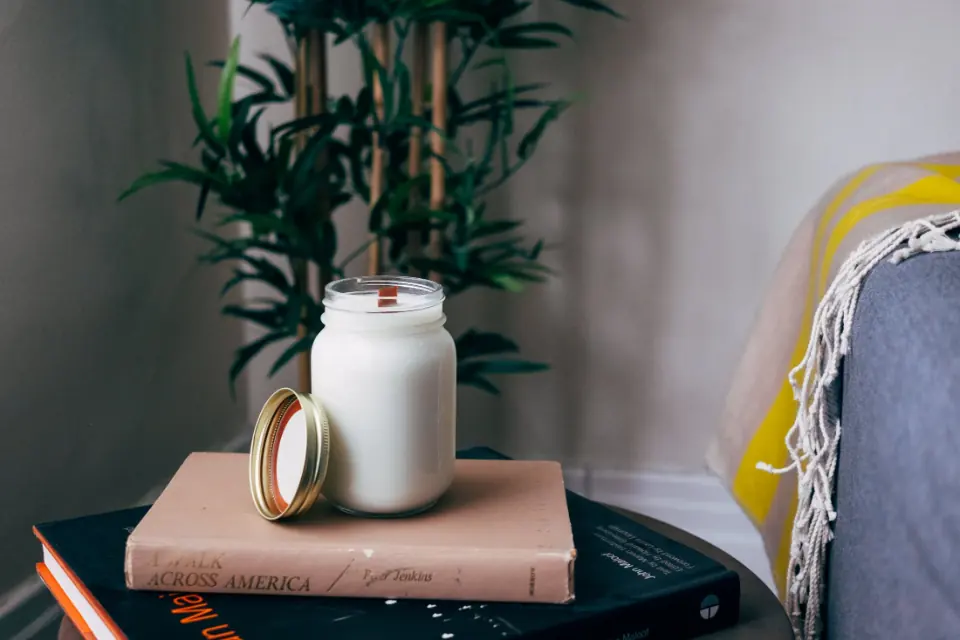
What you'll need
- Soy container wax flakes (about 1 lb for two 8 oz jars)
- Candle-safe fragrance oil
- Pre-tabbed cotton or wood wicks sized for your jar
- Heat-safe glass jars or candle tins
- Pouring pitcher and a large saucepan for a double boiler
- Candy or digital thermometer
- Kitchen scale
- Wick stickers or a dab of hot glue
- Clothespins or wick centering bars
Tap items to check them off — we'll remember your list on this device.
There is something so satisfying about lighting a candle you poured yourself. If you have wondered how to make soy candles at home, the good news is that it is one of the most beginner-friendly crafts out there. With a kitchen scale, a thermometer and a little patience, you can make clean-burning candles for your home or for thoughtful handmade gifts.
We will walk through the supplies, the temperatures that matter and the small details, like wick size and cure time, that separate a so-so candle from one you are proud to give away.
What You Need to Make Soy Candles
You do not need a fancy setup. Most of your tools may already be in the kitchen, though we recommend keeping a pouring pitcher and thermometer just for candles.
- Soy container wax: Look for wax labeled for containers, not pillars. It is softer and sticks to the glass.
- Fragrance oil: Choose oils labeled candle-safe. Not every essential oil or perfume oil performs well, or safely, in hot wax.
- Wicks: Wick size depends on your jar diameter and wax. Check your wick supplier's sizing chart and test burn.
- Containers: Thick glass jars, ceramic vessels or metal tins made for candles. Avoid thin glass or anything with cracks.
As a rough guide, one pound of soy wax flakes fills about two 8-ounce jars, with a little left over.
Wax Temperatures and Fragrance Load
Temperature is the secret to a smooth top and good scent. Every wax is a little different, so always check the manufacturer's recommendations, but these ranges are common for soy container wax:
- Melt: Heat the wax to about 180–185°F.
- Add fragrance: Add oil at around 180–185°F and stir gently for a full 2 minutes so it binds with the wax.
- Pour: Let the wax cool to roughly 120–140°F before pouring. Many soy waxes do well near 135°F.
Fragrance load is the percentage of fragrance oil compared to the weight of the wax. Most soy waxes handle 6–10 percent, and many beginners start at 6–8 percent. For one pound (16 oz) of wax at 8 percent, that is about 1.3 oz of fragrance oil. More is not always better. Going over the wax's maximum can cause oil to seep out and may affect how safely the candle burns.
How to Make Soy Candles Step by Step
- Prep your space. Cover your counter with newspaper or kraft paper. Wash and fully dry your jars.
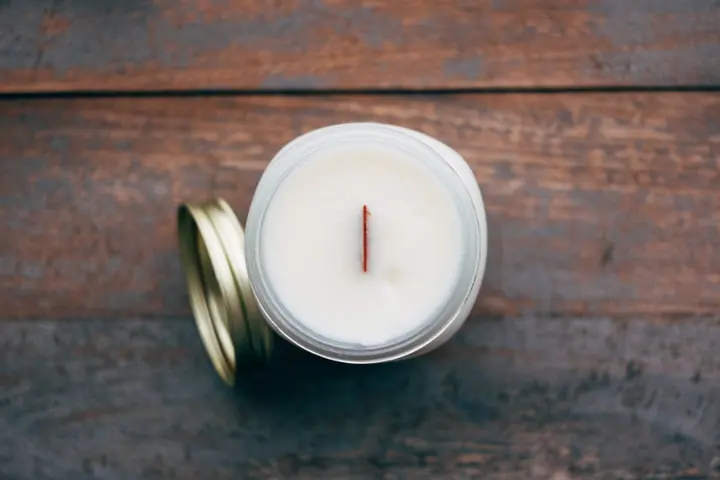
- Secure the wicks. Attach each wick tab to the center of the jar bottom with a wick sticker or a small dot of hot glue.
- Set up a double boiler. Place the pouring pitcher with weighed wax into a saucepan with a few inches of simmering water. Never melt wax over direct heat.
- Melt the wax. Stir occasionally and watch your thermometer until the wax reaches about 180–185°F.
- Add fragrance. Remove from heat, pour in the measured fragrance oil and stir slowly for 2 minutes.
- Cool and pour. Let the wax cool to your pour temperature, then pour slowly into each jar, leaving about 1/2 inch of space at the top.
- Center the wick. Hold the wick upright with a clothespin or centering bar laid across the jar rim.
- Let it set. Leave the candles undisturbed at room temperature for at least 24 hours. Avoid drafts and cold windowsills.
- Trim and cure. Trim the wick to about 1/4 inch. Let soy candles cure for 1–2 weeks for the best scent throw.
Candle Making Safety
Hot wax deserves respect, especially in a busy family kitchen.
- Never leave melting wax unattended, and keep children and pets away from the stove while you work.
- Use a double boiler and a thermometer. Overheated wax can reach its flash point and catch fire.
- Keep a lid and a fire extinguisher nearby. Never use water on a wax fire.
- Do not pour leftover wax down the drain. Let it harden in the pitcher and pop it out.
- When burning, place candles on a heat-safe surface, keep them away from curtains and never leave a lit candle unattended.
Troubleshooting Common Soy Candle Problems
Rough or Bumpy Tops
Soy wax is prone to uneven tops, especially if it cools too fast. Try pouring a few degrees cooler and keeping the room warm. You can also smooth the top with a quick pass of a heat gun.
Tunneling
If the candle burns straight down the middle, the wick may be too small, or the first burn was too short. On the first burn, let the melt pool reach the edges of the jar, which usually takes about an hour per inch of jar diameter.
Weak Scent
Make sure you added fragrance at the right temperature, stirred for a full 2 minutes and allowed the full cure time.
Frosting
White, crystal-like patches are natural to soy wax and purely cosmetic.
Gifting Your Homemade Candles
Homemade candles make lovely gifts for teachers, neighbors and grandparents. Add a simple label with the scent name and a short warning label with burning instructions. Pair one with a handwritten note for our favorite DIY Mother's Day gifts, or pour candles into jars as part of your mason jar crafts. Looking for more gifting ideas? Try our project finder quiz.
Frequently asked questions
How much fragrance oil do I add to soy wax?
Most soy container waxes accept 6–10 percent fragrance by weight, and 6–8 percent is a good starting point. Always check your wax's maximum load.
Why do soy candles need to cure?
Curing gives the fragrance oil time to fully bind with the wax. Letting candles rest for 1–2 weeks usually gives a noticeably stronger scent when burned.
Can I use essential oils to make soy candles?
You can, but many essential oils have low flash points and weak scent throw in wax. Candle-safe fragrance oils are easier for beginners and more predictable.